Normal Protein:
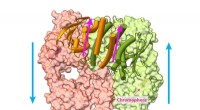
* Structure: A protein's function is directly tied to its 3D shape, which is maintained by weak bonds like hydrogen bonds, ionic bonds, and van der Waals forces. This intricate structure is called its *native conformation*.
* Function: Proteins have specific functions in the body, like acting as enzymes, transporting molecules, or providing structural support. Their specific shape allows them to interact with other molecules and carry out these tasks.
Denatured Protein:
* Structure: When a protein is denatured, these weak bonds are disrupted, causing the protein to lose its specific 3D shape and unfold. This can be visualized as the protein becoming "unravelled".
* Function: Because its structure is disrupted, a denatured protein loses its original function. It can no longer interact with other molecules in the same way.
Causes of Denaturation:
* Heat: Increased temperature causes molecules to vibrate more, disrupting the weak bonds holding the protein together.
* pH Changes: Extreme pH levels (very acidic or very basic) can disrupt the ionic bonds within the protein.
* Chemicals: Certain chemicals, like strong acids, bases, or detergents, can break the bonds that hold the protein's structure.
* Mechanical Force: Agitation or pressure can also disrupt the protein's structure.
Important Note:
While denaturation is usually a negative change, there are some cases where it can be useful:
* Cooking: Heat denatures proteins in food, making them easier to digest.
* Sterilization: Heating medical equipment denatures proteins in harmful bacteria, killing them.
In summary: Denatured proteins are like broken toys—they've lost their shape and can't perform their original function. This change is often irreversible, although in some cases, proteins can refold back into their native conformation under specific conditions.