1. Wind Pollination:
* Most Common Method: This is the primary method for grass pollination.
* Light and Dry Pollen: Grass pollen is small, light, and dry, making it easily carried by the wind.
* Large Amounts of Pollen: Grass plants produce a large quantity of pollen to increase the chances of successful pollination.
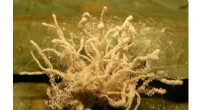
* Stigma Structure: Grass stigmas are long, feathery, and exposed, maximizing their surface area for catching pollen carried by the wind.
2. Insect Pollination:
* Less Common: While some grasses are primarily wind-pollinated, a few species rely on insects for pollination.
* Attractive Flowers: These grasses may have more colorful or fragrant flowers to attract insects.
* Nectar Production: They produce nectar, a sugary liquid, to reward pollinators.
3. Self-Pollination:
* Some Species: A few grass species can self-pollinate, meaning pollen from the stamen can fertilize the stigma of the same plant.
* Reduced Genetic Diversity: Self-pollination reduces genetic diversity, making the plant more vulnerable to diseases and environmental changes.
Overall: Wind pollination is the dominant method for grass pollination, ensuring successful fertilization through the wind's ability to carry pollen long distances.