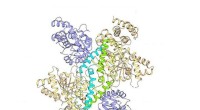
1. Nitrogen Fixation: Certain bacteria, known as nitrogen-fixing bacteria, have the ability to convert atmospheric nitrogen (N2) into ammonia (NH3). This process is essential because nitrogen gas is relatively inert and cannot be directly utilized by plants or most other organisms. Nitrogen-fixing bacteria live freely in the soil or form symbiotic relationships with plants, such as legumes. Examples include Rhizobium bacteria that form root nodules in leguminous plants.
2. Nitrification: Nitrifying bacteria convert ammonia into nitrate (NO3-) and nitrite (NO2-) through a series of oxidation reactions. Nitrite is an intermediate product formed by some bacteria, while others convert it into nitrate. Nitrifying bacteria are crucial for making nitrogen available to plants in a form that they can easily absorb and utilize.
3. Denitrification: Denitrifying bacteria carry out the process of denitrification, in which nitrate and nitrite are converted back into atmospheric nitrogen. This process completes the nitrogen cycle by releasing nitrogen gas into the atmosphere. Denitrification occurs in oxygen-limited environments, such as waterlogged soils or deep sediments.
4. Ammonification: Ammonifying bacteria decompose organic matter and convert organic nitrogen compounds, such as proteins and urea, into ammonia. This process is often the initial step in the decomposition of nitrogenous organic matter, releasing ammonia into the soil.
5. Anammox Process: Some bacteria, such as certain Planctomycetes, perform the anammox process. A shortcut in the nitrogen cycle, the anammox process combines ammonium with nitrite to form nitrogen gas and water, bypassing the intermediate steps of nitrification and denitrification.
These bacterial processes are vital for the cycling and availability of nitrogen, a vital nutrient required for plant growth, protein synthesis, and various other biological processes. Without the involvement of bacteria, the nitrogen cycle would be incomplete, and ecosystems would face severe nitrogen limitations.