2. Predation: Predation is the interaction between a predator, which hunts and consumes other organisms, and its prey. This relationship can significantly influence the structure of a biological community. Predators can control prey populations, allowing other prey species to thrive or leading to the decline of certain species.
3. Mutualism: Mutualism describes a symbiotic relationship between different species where both benefit from their interaction. Mutualistic relationships can be crucial for the survival, success, and persistence of both species involved. Examples include pollination by insects and the symbiotic relationship between nitrogen-fixing bacteria and leguminous plants.
4. Commensalism: Commensalism occurs when one species benefits from its interaction with another without affecting the latter. For instance, certain species of plants can provide habitat or support for other organisms without being directly impacted by their presence.
5. Parasitism: Parasitism involves a relationship where one species (the parasite) benefits at the expense of the other (the host). This can affect host populations and have cascading effects on the entire community. Parasites can reduce host fitness and survival, potentially influencing the dynamics and interactions of other species in the community.
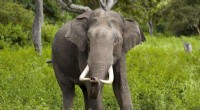
6. Herbivory: Herbivory is the consumption of plants by animals. Herbivores can selectively graze on certain plant species, influencing plant populations and the overall composition of the plant community. This can in turn affect other organisms dependent on those plants for shelter or food.
These are just a few of the many biotic factors that can influence the structure and dynamics of biological communities. Complex ecological interactions and relationships shape the composition, abundance, and distribution of species within an ecosystem. Understanding these interactions is essential for comprehending ecosystem functioning and for conservation efforts aimed at preserving and managing biological communities.