1. Surface Water: Surface water refers to water bodies that are found on the Earth's surface, such as rivers, lakes, reservoirs, and ponds. Surface water sources are widely used for various purposes, including drinking water supply, irrigation in agriculture, hydropower generation, transportation, and recreation.
2. Groundwater: Groundwater is the water located beneath the Earth's surface in underground aquifers. It can be accessed through wells, springs, or boreholes. Groundwater serves as a significant source of drinking water, especially in rural and remote areas, and is also used for agriculture and industrial purposes.
3. Rainwater: Rainwater is the precipitation that falls from the sky and is often collected for various uses. Rainwater harvesting is a sustainable practice that involves capturing and storing rainwater for future use. It can provide clean, fresh water for drinking, irrigation, and other household needs.
4. Desalinated Water: Desalination is the process of removing salt and other minerals from seawater to produce fresh water. Desalinated water is primarily used in regions with limited access to freshwater, particularly in coastal areas.
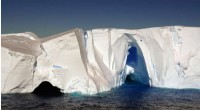
5. Glaciers and Ice Caps: Glaciers and ice caps can be significant freshwater sources in certain regions, especially in mountainous areas. However, the use of water from glaciers and ice caps is often limited due to their remote locations and logistical challenges.
6. Treated Wastewater: Reclaimed or treated wastewater from sewage treatment plants and industrial processes can be used for irrigation, industrial purposes, or replenishing groundwater aquifers.
The specific availability and usage of freshwater sources can vary depending on geographical locations, climate conditions, and population density. It's important to manage and conserve freshwater resources to ensure their sustainability and availability for future generations.