Erosion can be caused by a variety of factors, including:
* Water: Water is the most common agent of erosion. When water flows over the Earth's surface, it can pick up and carry away sediment, such as sand, silt, and clay. This process is called water erosion.
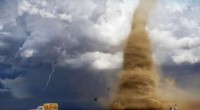
* Wind: Wind can also cause erosion by picking up and carrying away sediment. This process is called wind erosion. Wind erosion is most common in dry, windy areas, such as deserts.
* Ice: Ice can cause erosion by freezing and thawing the ground. When the ground freezes, it expands and cracks. When it thaws, the cracks widen and deepen. This process is called frost wedging. Frost wedging is most common in cold climates, such as polar regions.
* Other geological activities: Other geological activities that can cause erosion include volcanic eruptions, earthquakes, and landslides. Volcanic eruptions can produce ash and lava that can cover and erode the Earth's surface. Earthquakes can cause the ground to shake and collapse, which can lead to erosion. Landslides can occur when large masses of rock or soil slide down a slope, which can carry away sediment and erode the Earth's surface.
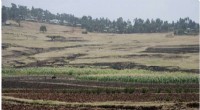
Erosion is a natural process that is essential for the formation of many of the Earth's features. However, human activities can accelerate erosion, which can lead to environmental problems, such as soil loss, water pollution, and flooding.