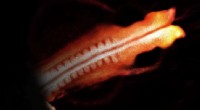
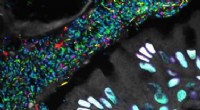
During branching morphogenesis, a cell first extends a protrusion from its surface. This protrusion then grows and divides to form two new cells. The new cells can then either continue to divide and grow, or they can differentiate into specific cell types.
The branching of cells is controlled by a complex network of signaling pathways. These pathways involve the interaction of growth factors, cytokines, and other molecules. The signals from these pathways determine when and where cells will branch, as well as the rate of branching.
Branching morphogenesis is a critical process for the development of many tissues and organs. By understanding how cells branch, we can gain insights into the development of these tissues and organs, as well as the diseases that affect them.
Here are some specific examples of how branching cells function in different tissues and organs:
* In the lungs, branching cells form the airways. The airways are the tubes that carry air from the nose and mouth to the lungs. The branching of the airways increases the surface area of the lungs, which allows for more efficient gas exchange.
* In the kidneys, branching cells form the nephrons. The nephrons are the functional units of the kidneys. They are responsible for filtering waste products from the blood and producing urine. The branching of the nephrons increases the number of nephrons in the kidneys, which allows for more efficient filtration of waste products.
* In the mammary glands, branching cells form the milk ducts. The milk ducts are the tubes that carry milk from the milk-producing cells to the nipple. The branching of the milk ducts increases the number of milk ducts in the mammary glands, which allows for more efficient milk production.
Branching cells are also involved in the development of other tissues and organs, such as the pancreas, liver, and spleen. By understanding how branching cells function, we can gain insights into the development of these tissues and organs, as well as the diseases that affect them.