A biome is a large-scale ecological community, defined by its characteristic climate and vegetation, and the organisms that live there. Biomes can be found on land, in water, and in the air.
The major factors that determine the type of biome in a particular part of the world are:
* Climate: The climate of a region is one of the most important factors in determining the type of biome that will be found there. Factors such as temperature, precipitation, humidity, and sunlight all play a role in shaping the vegetation and animal life of a biome.
* Soil: The type of soil in a region can also affect the type of biome that will be found there. Some plants are only able to grow in certain types of soil, so the presence or absence of certain soil types can determine the composition of the vegetation in a biome.
* Topography: The topography of a region can also play a role in determining the type of biome that will be found there. For example, mountains can create rain shadows, which can lead to the development of deserts on the leeward side of the mountains.
* Biotic interactions: The interactions between organisms in a biome can also affect the type of biome that will be found there. For example, the presence or absence of certain herbivores can determine the composition of the plant community in a biome.
Major Biomes of the World
The world can be divided into a number of major biomes, each with its own characteristic climate, vegetation, and animal life. Some of the major biomes of the world include:
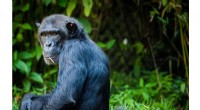
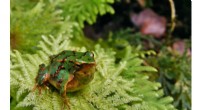
* Tropical rainforest: Tropical rainforests are found near the equator and are characterized by their warm, humid climate and lush vegetation. Tropical rainforests are home to a wide variety of plants and animals, including many species that are not found anywhere else on Earth.
* Temperate forest: Temperate forests are found in the mid-latitudes of the Northern Hemisphere and are characterized by their moderate climate and deciduous trees. Temperate forests are home to a variety of plants and animals, including many species that are also found in tropical rainforests.
* Boreal forest: Boreal forests are found in the high latitudes of the Northern Hemisphere and are characterized by their cold, snowy climate and coniferous trees. Boreal forests are home to a variety of plants and animals, including many species that are also found in temperate forests.
* Grassland: Grasslands are found in the mid-latitudes of the Southern Hemisphere and are characterized by their warm, dry climate and grasses. Grasslands are home to a variety of plants and animals, including many species that are also found in savannas.
* Savanna: Savannas are found in the tropics and subtropics of Africa and South America and are characterized by their warm, wet climate and mix of grasses and trees. Savannas are home to a variety of plants and animals, including many species that are also found in grasslands.
* Desert: Deserts are found in the hot, dry regions of the world and are characterized by their lack of water and vegetation. Deserts are home to a variety of plants and animals that are adapted to living in extreme conditions.
* Tundra: Tundras are found in the high latitudes of the Arctic and Antarctic and are characterized by their cold, snowy climate and lack of trees. Tundras are home to a variety of plants and animals that are adapted to living in extreme conditions.
Conclusion
Biomes are large-scale ecological communities that are defined by their characteristic climate, vegetation, and animal life. The major factors that determine the type of biome in a particular part of the world are climate, soil, topography, and biotic interactions. There are a number of major biomes of the world, each with its own characteristic features.