1. Nucleus:
- Prokaryotic cells: Lacks a true nucleus. The DNA of prokaryotic cells is found in a single, circular chromosome located within the cytoplasm.
- Eukaryotic cells: Have a well-defined nucleus, enclosed within a nuclear envelope. The DNA in eukaryotic cells is organized into multiple linear chromosomes within the nucleus.
2. Cellular Organization:
- Prokaryotic cells: Generally smaller and simpler in structure compared to eukaryotic cells. They have a less compartmentalized internal organization. Most of the cellular processes occur in the cytoplasm, without the presence of extensive internal membranes.
- Eukaryotic cells: Larger and more complex in structure. They exhibit a high degree of cellular compartmentalization, with various organelles enclosed by specialized membranes. This compartmentalization allows for efficient and specialized functions.
3. Organelles:
- Prokaryotic cells: Typically lack membrane-bound organelles such as mitochondria, chloroplasts, and endoplasmic reticulum.
- Eukaryotic cells: Contain various membrane-bound organelles. These organelles have specific functions, such as energy production, photosynthesis, protein synthesis, and more.
4. DNA Structure:
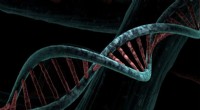
- Prokaryotic cells: Have a single, circular DNA molecule located in the cytoplasm. The DNA is not associated with proteins called histones.
- Eukaryotic cells: Contain multiple linear DNA molecules organized into chromosomes. The DNA is packaged with histone proteins to form chromatin.
5. Ribosomes:
- Prokaryotic cells: Have 70S ribosomes, which consist of a small (30S) and large (50S) subunit.
- Eukaryotic cells: Have 80S ribosomes, which are also composed of a small (40S) and large (60S) subunit. The ribosomes of eukaryotic cells are more complex and efficient in protein synthesis.
6. Cell Division:
- Prokaryotic cells: Reproduce by binary fission, a process where the cell duplicates its DNA and then divides into two identical daughter cells.
- Eukaryotic cells: Undergo mitosis or meiosis for cell division. Mitosis results in the separation of sister chromatids, leading to the formation of two identical daughter cells. Meiosis is a specialized cell division process involved in sexual reproduction, which produces gametes (sex cells) with half the number of chromosomes.
7. Motility:
- Prokaryotic cells: Many prokaryotes have structures for movement, such as flagella or pili, which are composed of proteins.
- Eukaryotic cells: Some eukaryotic cells also have structures for motility, including flagella and cilia, but they are structurally different and composed of microtubules.
These differences between prokaryotic and eukaryotic cells reflect the distinct evolutionary histories and adaptations of these two fundamental cell types. Prokaryotic cells represent the simpler, ancestral form of life, while eukaryotic cells evolved later, exhibiting a higher level of cellular complexity and organization that allowed for greater diversification and specialization of functions.