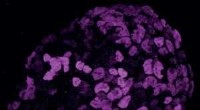
1. Basal Layer: The deepest layer of the epidermis is called the stratum basale or basal layer. This layer consists of mitotically active cells called basal cells or keratinocytes.
2. Cell Division: Basal cells undergo cell division, primarily mitosis, to produce new keratinocytes. These newly formed cells start moving outward toward the skin's surface as they mature.
3. Keratinization: As cells move away from the basal layer, they undergo a process called keratinization. During keratinization, the cells undergo various changes, including the accumulation of the protein keratin, which strengthens and waterproofs them.
4. Formation of Epidermal Layers: As cells move through the different layers of the epidermis, they differentiate and acquire specialized characteristics based on their location. These layers include the stratum spinosum, stratum granulosum, and stratum corneum (the outermost layer).
5. Desquamation: The final stage of epidermal turnover is desquamation. When keratinocytes reach the stratum corneum, they are filled with keratin and have lost their nuclei and organelles. They become flattened and eventually shed off from the skin's surface. This process occurs naturally and is accelerated by external factors like friction and washing.
6. Replacement: The shed cells are continuously replaced by the newer cells that were formed by cell division in the basal layer. This cycle of cell production, migration, differentiation, and shedding allows for the maintenance of a healthy epidermis that serves as a barrier between the body and the environment.
So, new cells are formed in the basal layer through cell division and replace older cells as they move outward, differentiate, and eventually shed off from the skin's surface in a continuous process of epidermal turnover.