Camouflage: Many species use camouflage to hide from predators or prey. This can involve blending into the background environment or using disruptive coloration to break up the outline of the body. Examples include the spotted or striped patterns of many big cats, the green color of many tree frogs, and the ability of chameleons to change their skin color to match their surroundings.
Mimicry: Mimicry is a form of deception in which one species evolves to resemble another species in order to gain an advantage. Examples include the viceroy butterfly, which mimics the monarch butterfly to avoid being eaten by birds, and the orchid mantis, which mimics the appearance of an orchid flower to attract pollinators.
Body coverings: Body coverings such as fur, feathers, or scales provide protection from the elements, insulation, and defense against predators. Examples include the thick fur of polar bears that helps them survive in cold climates, the feathers of birds that allow them to fly, and the scales of reptiles and fish that protect them from injury.
Physiological adaptations: Physiological adaptations include changes in the internal body processes or structures of an organism that allow it to better cope with its environment. Examples include the ability of some desert animals to store water in their bodies, the hibernation of bears and other mammals to survive during cold winters, and the ability of deep-sea fish to withstand extreme pressure and darkness.
Behavioral adaptations: Behavioral adaptations are changes in an organism's behavior that allow it to better survive and reproduce. Examples include the migratory patterns of birds, the cooperative hunting behavior of lions and wolves, and the nest-building behavior of many bird species.
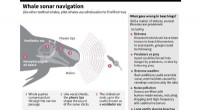
Structural adaptations: Structural adaptations are physical changes in the body structure of an organism that allow it to better survive and reproduce. Examples include the long necks of giraffes that allow them to reach leaves on tall trees, the powerful legs of kangaroos that allow them to jump long distances, and the echolocation abilities of bats and dolphins that allow them to navigate in darkness or murky water.
These are just a few examples of the many adaptations that organisms have evolved to survive in their specific environments. Adaptations are crucial for the survival and success of species and are a key aspect of the process of natural selection and evolution.