* Thick, leathery leaves: these help to reduce water loss through transpiration.
* Small, needle-like shape: this also helps to reduce water loss.
* Hairy leaves: these help to protect the leaves from the sun and wind.
* Glands on the leaves: these excrete essential oils that repel insects and other pests.
Stems:
* Woody stems: these help to support the plant and provide structure.
* Bark: this helps to protect the stems from damage.
* Lenticels: these are small pores on the stems that allow air to enter and escape.
Roots:
* Deep taproots: these help to anchor the plant in the ground and allow it to access water from deep below the surface.
* Lateral roots: these spread out near the surface of the soil and help to absorb nutrients.
* Root nodules: these contain bacteria that help to fix nitrogen from the air and convert it into a form that the plant can use.
Flowers:
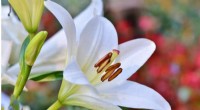
* Nectar-producing flowers: these attract birds, insects, and other animals that help to pollinate the flowers.
* Brightly colored flowers: these help to attract pollinators.
* Spiky flowers: these help to protect the flowers from being eaten by animals.
Fruits:
* Dry, woody fruits: these help to protect the seeds from predators.
* Seeds with wings: these help the seeds to disperse over long distances.
* Seeds with spines: these help to protect the seeds from being eaten by animals.