1. Oxygen (O2): Oxygen is a gas that is essential for cellular respiration. It enters the cell by simple diffusion through the lipid bilayer of the cell membrane.
2. Carbon dioxide (CO2): Carbon dioxide is a waste product of cellular respiration. It leaves the cell by simple diffusion through the lipid bilayer of the cell membrane.
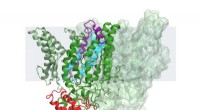
3. Water (H2O): Water is a small polar molecule that can cross the cell membrane by simple diffusion through aquaporins, which are water-specific membrane channels.
4. Small uncharged molecules: Small uncharged molecules such as ethanol and glycerol can also cross the cell membrane by simple diffusion.
The rate of simple diffusion across a cell membrane depends on several factors, including:
- Concentration gradient: The rate of diffusion is directly proportional to the concentration gradient of the substance. In other words, substances will diffuse from areas of higher concentration to areas of lower concentration.
- Membrane permeability: The rate of diffusion is also influenced by the permeability of the cell membrane to the substance. Substances that are more soluble in the lipid bilayer of the membrane will diffuse more quickly.
- Temperature: The rate of diffusion increases with temperature. Higher temperatures increase the kinetic energy of molecules, which leads to more frequent collisions and greater diffusion.
- Diffusion distance: The rate of diffusion decreases with the distance over which the substance must travel. Substances that need to diffuse over a longer distance will take longer to reach equilibrium.
Simple diffusion is an important process that allows cells to exchange necessary substances with their environment. It is essential for cell survival and function.