Robert Hooke (1635-1703):
1. Coined the Term "Cell": Hooke is credited with coining the term "cell" after observing the honeycomb-like structure of cork under a microscope. He described these tiny compartments as "cells" because they reminded him of the small rooms in monasteries.
2. Microscope Improvements: Hooke made several improvements to the microscope, including designing a compound microscope with multiple lenses. This allowed him to magnify objects up to 50-300 times, which greatly enhanced the quality of his observations.
3. Observations of Plant Cells: Hooke observed plant cells from various tissues, such as cork, stems, and leaves. He described their box-like shape, cell walls, and the presence of small pores (later known as pits).
Antonie van Leeuwenhoek (1632-1723):
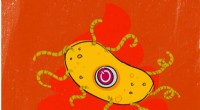
1. Discovery of Microorganisms: Leeuwenhoek is renowned for his discovery of microorganisms, including bacteria, protozoa, and single-celled organisms. Using his self-made microscopes with exceptionally powerful lenses, he observed and described a vast diversity of these tiny creatures in various environments, such as pond water, saliva, and infusions.
2. Animal Cells Observations: Leeuwenhoek also observed and described animal cells, particularly sperm cells from humans and animals. He made detailed drawings and provided accurate descriptions of their structure and movement.
3. Observation of Blood Cells: Leeuwenhoek made important observations of red blood cells, noting their shape and the absence of a nucleus. He correctly concluded that blood consists of numerous individual cells suspended in a liquid.
Both Hooke and Leeuwenhoek made groundbreaking discoveries that laid the foundation for the field of cell biology. Hooke's introduction of the term "cell" and his observations of plant cells provided early insights into the cellular structure of organisms. Leeuwenhoek's contributions were equally significant, as he revealed the existence of microorganisms and made detailed observations of both animal and blood cells. Their work opened up a new realm of scientific exploration and understanding of the intricate world of cells.