1. Detergent Properties:
SDS is an anionic detergent, which means it has a negatively charged head group and a long hydrocarbon chain. The hydrophobic nature of the hydrocarbon chain allows it to interact with and disrupt the cell membrane, a lipid bilayer composed of phospholipids.
2. Cell Lysis:
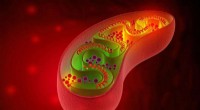
When SDS comes into contact with the cell membrane, it inserts itself between the phospholipids, disrupting their interactions. This leads to the destabilization and disintegration of the membrane, causing cell lysis. The cell contents, including proteins, nucleic acids, and other molecules, are released into the surrounding environment.
3. Denaturation of Proteins:
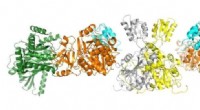
SDS is also a powerful protein denaturant. Once the cells are lysed, SDS binds to proteins and disrupts their native structure by breaking hydrogen bonds, hydrophobic interactions, and electrostatic bonds. This denaturation process unfolds the proteins, exposing their interior regions and making them more accessible for analysis.
4. Protein Solubilization:
The denatured proteins, which are normally insoluble in aqueous solutions, become soluble in the presence of SDS. This property of SDS is crucial for various techniques that require the separation and analysis of proteins, such as gel electrophoresis.
5. Removal of Lipids and Nucleic Acids:
SDS is highly efficient in solubilizing proteins, but it tends to precipitate lipids and nucleic acids. This allows for the separation and isolation of proteins from other cellular components.
SDS is an essential reagent in molecular biology and biochemistry, enabling researchers to break open cells, denature proteins, and study the individual components within a cell or tissue sample. However, it's important to carefully optimize SDS concentrations and consider their potential effects on specific proteins or cellular components to ensure accurate analysis and preservation of the desired molecules.