Let's explore the different categories of biotic hazards in more detail:
1. Infectious Diseases:
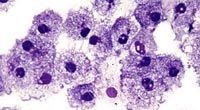
Infectious diseases are spread through microorganisms, such as bacteria, viruses, fungi, and parasites. These organisms can cause a variety of illnesses, from mild to severe, and can be transmitted through air, water, food, contact with infected individuals, or animal vectors. Examples include the common cold, flu, tuberculosis, malaria, and COVID-19.
2. Foodborne Pathogens:
Foodborne pathogens are microorganisms that cause foodborne illnesses when they contaminate food products. They can be bacteria (e.g., E. coli, Salmonella), viruses (e.g., norovirus), or parasites (e.g., Toxoplasma gondii). Unsafe handling, preparation, or storage of food can lead to contamination and subsequent foodborne illnesses.
3. Vectors and Vector-Borne Diseases:
Vectors are living organisms that transmit infectious agents from one host to another. Insects, such as mosquitoes, ticks, and fleas, are common vectors of diseases like malaria, dengue fever, and Lyme disease. When vectors bite an infected person or animal, they can pick up the infectious agent and transmit it to others they bite.
4. Harmful Plants and Fungi:
Certain plants and fungi can be harmful and pose risks to humans and animals. These may include poisonous plants (e.g., hemlock, nightshade), toxic mushrooms, or allergenic plants like ragweed. Contact with these species can cause allergic reactions, skin irritation, poisoning, or even death.
5. Harmful Algae Blooms (HABs):
Some types of algae can grow excessively and form blooms in bodies of water. These harmful algae blooms can produce toxins that are harmful to aquatic organisms, fish, and marine mammals. They can also release toxins into the air, causing respiratory irritation in humans and animals.
6. Animal Bites and Injuries:
Wildlife and domesticated animals can cause injuries and transmit diseases through bites or scratches. Rabies is a serious viral infection transmitted through animal bites, particularly from dogs, bats, and raccoons. Other animals can injure humans, transmit parasites (e.g., ticks, fleas), or carry diseases like tularemia (transmitted by rabbits).
7. Zoonoses:
Zoonoses are diseases that can be transmitted from animals to humans. They can include diseases like salmonellosis (from contaminated poultry), brucellosis (from infected livestock), and psittacosis (from birds). Zoonoses pose a risk, particularly to individuals in close contact with animals.
8. Invasive Species:
Invasive species are non-native organisms that can have a negative impact on ecosystems and human well-being. They can transmit diseases, outcompete native species, disrupt ecological balance, damage habitats, and cause economic losses. Invasive species often spread rapidly and are challenging to control.
Effective management of biotic hazards involves public health measures, surveillance and monitoring systems, prevention strategies, vector control, food safety practices, conservation efforts, and education to minimize the risks associated with these hazards and protect human health, as well as the health of animals and ecosystems.