Larger Brains: Natural selection could favor individuals with larger brain capacities, leading to enhanced cognitive abilities and intelligence.
Heightened Senses: Some scientists propose that future humans might develop improved sensory capabilities, such as enhanced vision or hearing, to adapt to changing environments.
Reduced Size: There's a possibility that humans could evolve to be smaller in size, requiring fewer resources and adapting to limited spaces or different ecological niches.
Improved Immune Systems: Future humans might possess stronger immune systems to combat emerging diseases and pathogens more effectively.
Genetic Engineering: Technological advancements in genetic engineering could shape the next human species, potentially leading to modifications that enhance physical traits, resistance to diseases, and longevity.
Reduced Hair: Humans could adapt to warmer environments by losing most of their body hair, similar to some human populations today.
Longer Lifespans: Advances in medical technology and gene therapies could potentially extend the human lifespan significantly.
Adaptations for Extreme Environments: If humans colonize different planets or environments with extreme conditions, they might develop specialized adaptations, such as resistance to radiation or extreme cold.
Reduced Aggression: Some researchers speculate that natural selection could favor individuals with reduced aggressive tendencies, promoting cooperation and social stability.
Increased Empathy: Evolution may prioritize individuals with greater empathy, improving social cohesion and cooperation within human groups.
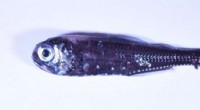
Bioluminescence: Some scientists suggest that future humans might develop the ability to produce light through bioluminescent organisms within their bodies, aiding in low-light conditions.
Hybrid Traits: Interbreeding with other closely related species, such as Neanderthals or Denisovans, could result in hybrid traits that combine beneficial characteristics from both species.
It's important to note that these are speculative ideas, and future human evolution remains highly uncertain and subject to various unpredictable factors.