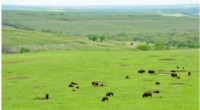
1. Availability of Resources: The availability of resources such as food, water, shelter, and space can limit the number of individuals an ecosystem can support. If resources are scarce, competition between organisms for these resources can lead to a decline in population size.
2. Predation and Competition: Predation, where one organism consumes another, can directly reduce the population of the prey species. Competition between different species for the same resources can also limit population growth, as species may not be able to obtain the necessary resources to survive and reproduce effectively.
3. Disease and Parasitism: Diseases and parasites can cause morbidity and mortality in populations, leading to a reduction in numbers. Transmission of diseases can occur through contact with infected individuals, vectors such as insects or animals, or contaminated food and water.
4. Environmental Conditions: Extreme environmental conditions, such as temperature, humidity, pH, salinity, or light levels, can impact the survival and reproduction of organisms. Organisms may not be adapted to tolerate certain conditions, leading to population decline or even local extinction.
5. Habitat Destruction and Fragmentation: Human activities such as deforestation, urbanization, and habitat fragmentation can destroy or alter habitats, making them unsuitable for certain species. This loss or alteration of habitats can lead to population declines and increased vulnerability to other limiting factors.
6. Pollution: Pollution from industrial activities, agricultural runoff, or waste disposal can contaminate ecosystems and directly harm organisms. Pollutants can accumulate in the environment, affecting ecosystem health and the ability of organisms to survive and reproduce.
These limiting factors interact with each other, creating a complex web of interactions that determines the carrying capacity of an ecosystem—the maximum number of individuals of a given species that the environment can sustain indefinitely. When limiting factors are reached or exceeded, population growth may slow down or even reverse, leading to population regulation or decline. Understanding these limiting factors is crucial for managing ecosystems and ensuring the long-term survival of species.