The physiological basis of an organism includes:
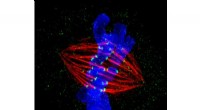
1. Cellular Physiology: This involves studying the basic functional units of life, cells, and their components. It explores how cells acquire nutrients, produce energy, synthesize molecules, and communicate with each other. Understanding cellular physiology provides insights into the fundamental processes underlying the functioning of tissues and organs.
2. Organ Physiology: Organ physiology focuses on the structure and function of specific organs and organ systems. It investigates how organs such as the heart, lungs, kidneys, liver, and brain carry out their specialized functions. By examining organ physiology, researchers can identify the underlying mechanisms of organ function, dysfunctions, and diseases.
3. Systemic Physiology: Systemic physiology examines the integration and coordination of various organ systems within an organism. It involves studying how different systems work together to maintain overall homeostasis and respond to internal and external challenges. Systemic physiology explores complex physiological processes such as circulation, respiration, digestion, excretion, and thermoregulation.
4. Comparative Physiology: Comparative physiology compares and contrasts the physiological adaptations and mechanisms found in different species across the animal kingdom. By examining physiological differences and similarities among species, researchers can gain insights into evolutionary relationships, environmental adaptations, and the functional diversity of life.
5. Ecological Physiology: Ecological physiology investigates how physiological traits and adaptations influence an organism's interactions with its environment. It explores how organisms cope with environmental stressors, such as temperature fluctuations, resource availability, and predators, and how physiological adaptations contribute to their ecological success.
6. Human Physiology: Human physiology specifically focuses on the physiological processes and mechanisms in humans. It examines how different organ systems work together to support human life, how the body responds to exercise, nutrition, environmental changes, and various health conditions. Understanding human physiology is crucial for comprehending human health and disease.
By studying the physiological basis of organisms, scientists aim to unravel the complex mechanisms that enable life's processes. Physiological knowledge contributes to advancements in medicine, pharmacology, biotechnology, and other fields by providing a foundation for understanding how organisms function, adapt, and respond to their environments.