1.Errors During DNA Replication: DNA replication is the process by which cells make copies of their DNA before cell division. Sometimes, mistakes can occur during this process, leading to changes or errors in the DNA sequence. These errors can arise from various factors such as faulty DNA polymerase enzymes, the skipping of base pairing, and the misinsertion or deletion of nucleotides.
2.Radiation: Exposure to ionizing radiation, such as X-rays, gamma rays, and high-energy particles, can damage DNA structure by causing DNA strand breaks, base modifications, and chromosomal rearrangements. These types of radiation can be encountered in medical imaging, radiation therapy, and certain industrial settings.
3.Chemicals and Toxins: Certain chemicals, including alkylating agents, intercalating agents, and base analogs, can alter DNA structure by modifying or replacing nucleotides. These chemicals can be found in tobacco smoke, pollutants, industrial solvents, pesticides, and certain drugs.
4.Hydrolysis: Spontaneous hydrolysis reactions, particularly those involving water molecules, can lead to DNA damage. These reactions can result in the cleavage of covalent bonds in the DNA backbone, potentially causing breaks and modifications in the DNA structure.
5.Enzymes: Certain enzymes, such as free radicals, can produce oxidative damage to DNA, resulting in altered base structures, strand breaks, and other modifications. These enzymes can be produced as byproducts of cellular metabolism or may be introduced from external sources, such as exposure to UV radiation or certain chemicals.
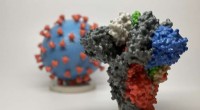
6.Viral Infections: Some viruses can integrate their own genetic material into the host's DNA. This insertion of viral DNA can disrupt normal gene function and cause mutations. Additionally, viral proteins may interact with host DNA repair mechanisms, further increasing the chances of mutations.
7.Transposable Elements: Transposable elements are segments of DNA capable of moving to other locations within the genome. Their insertion into genes can lead to alterations in the DNA sequence and disrupt gene function, resulting in mutations.
It's important to note that while mutations can occur naturally or be caused by external factors, not all mutations have detrimental effects. Some mutations may be neutral, having no significant impact on the organism, while others can be beneficial and provide evolutionary advantages.