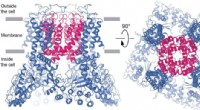
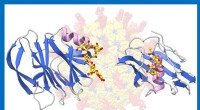
1. Alteration of Protein Structure and Function: DNA sequences encode the instructions for protein synthesis. Changes in the DNA sequence can lead to changes in the structure and function of the corresponding protein. This can disrupt essential biological processes, such as enzyme activity, cellular signalling, and gene regulation.
2. Disruption of Gene Expression: DNA sequences contain regulatory elements that control when and where genes are expressed. Changes in these regulatory sequences can affect gene expression patterns, causing genes to be expressed at the wrong time or in the wrong tissues. This can have profound consequences on the organism's development, physiology, and behaviour.
3. Introduction of Premature Stop Codons: Changes in DNA sequences can introduce premature stop codons, which signal the end of protein synthesis. This results in the production of truncated proteins that are often non-functional or even harmful.
4. Activation of Transposable Elements: Changes in DNA sequences can activate transposable elements, which are segments of DNA that can move around the genome. Activation of transposable elements can disrupt gene expression, cause chromosomal rearrangements, and lead to genomic instability.
5. Epigenetic Modifications: DNA sequence changes can influence epigenetic modifications, which are chemical changes to DNA that affect gene expression. These modifications can impact the accessibility of DNA to transcription factors and other proteins involved in gene regulation, leading to altered gene expression patterns.
6. Creation of New Genes: Rarely, changes in DNA sequences can create new genes or alter the function of existing genes. These changes can introduce novel traits or modify existing ones, potentially driving evolutionary adaptations.
7. Impact on Non-coding DNA: Changes in non-coding DNA regions, such as introns or regulatory sequences, can also have functional consequences. These regions are crucial for various aspects of gene regulation, and alterations can disrupt essential cellular processes.
8. Genomic Disorders and Diseases: Changes in DNA sequences can cause genomic disorders and diseases, including inherited conditions such as genetic syndromes, metabolic disorders, and certain types of cancer.
Overall, changes in DNA sequence can affect an organism's biology by altering protein structure and function, disrupting gene expression patterns, introducing genetic variations, and influencing epigenetic modifications. These changes can have wide-ranging consequences on the organism's development, physiology, and overall fitness.