1. Transcription:
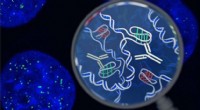
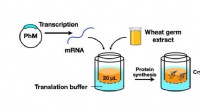
- The first step in gene expression is transcription, which takes place in the nucleus.
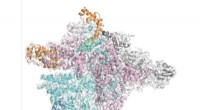
- A segment of DNA called a gene is copied into a complementary RNA (ribonucleic acid) molecule by an enzyme called RNA polymerase.
- This RNA molecule, called messenger RNA (mRNA), carries the genetic information from the nucleus to the cytoplasm, where protein synthesis occurs.
2. Translation:
- Translation occurs in the cytoplasm at the ribosomes.
- The mRNA molecule binds to the ribosome and is read in a sequence of three-nucleotide units called codons.
- Each codon corresponds to a specific amino acid, which is brought to the ribosome by transfer RNA (tRNA) molecules.
- Amino acids are linked together to form a polypeptide chain, which folds into a specific three-dimensional structure to become a functional protein.
In summary, DNA provides the genetic instructions for protein synthesis through the processes of transcription and translation. Transcription creates an mRNA copy of the genetic code, which is then translated into a sequence of amino acids to produce a protein with a unique structure and function. This relationship between DNA and protein production is essential for all cellular functions and the proper functioning of organisms.