1. Gene Identification and Selection:
- Scientists identify specific genes or traits that they want to introduce or modify in rice. These traits may include enhanced nutritional content, pest resistance, drought tolerance, or improved yield.
2. Gene Cloning and Vector Construction:
- The desired genes are isolated and cloned from a source organism, such as bacteria or other plants.
- The cloned genes are then inserted into a vector, which is a small circular DNA molecule capable of replicating independently within a host cell.
3. Transformation Methods:
- Agrobacterium-mediated transformation: A strain of Agrobacterium tumefaciens, a naturally occurring soil bacterium, is genetically engineered to carry the desired gene constructs. The Agrobacterium infects rice plant tissue, transferring the gene constructs into the plant cells.
- Biolistics (particle bombardment): Tiny particles coated with the gene constructs are accelerated at high speed and shot directly into rice cells. This method is suitable for rice varieties that are resistant to Agrobacterium-mediated transformation.
4. Plant Regeneration:
- After transformation, the rice cells are cultured in a controlled environment, allowing them to regenerate into whole plants. This process involves tissue culture techniques and the use of plant growth regulators.
5. Selection and Screening:
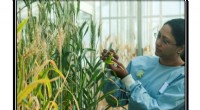
- The regenerated plants are screened to identify those that have successfully integrated the foreign genes. This can be done using molecular techniques such as PCR (Polymerase Chain Reaction) or Southern blotting to analyze the presence and integration of the desired genes.
- Further screening and evaluation of the plants are conducted to assess the expression and inheritance of the introduced traits.
6. Field Trials and Regulatory Approval:
- Selected genetically modified rice lines undergo rigorous field trials to evaluate their agronomic performance, safety, and environmental impact.
- Regulatory authorities assess the data from field trials and determine whether the modified rice is safe for human consumption, animal feed, and the environment before approving its commercial release.
It's important to note that genetic modification of rice, like other crops, is a complex and regulated process subject to strict oversight and risk assessment by regulatory bodies to ensure the safety and responsible use of genetically modified organisms.