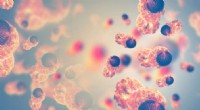
There are many different types of cells, each with its own unique structure and function. Some cells, such as muscle cells, are specialized for movement, while others, such as nerve cells, are specialized for communication. There are also cells that are responsible for the production of nutrients, the transport of oxygen, and the removal of waste products.
Cells work together in a coordinated fashion to form tissues, which are groups of cells that perform a specific function. Tissues are then organized into organs, which are larger structures that perform more complex functions. Organs are finally organized into systems, which are groups of organs that work together to carry out a specific function.
The relationship between cells and organisms is a complex one, but it is essential to understanding how living things work. By studying cells, we can learn more about the structure and function of organisms, and how they interact with their environment. This knowledge can help us to develop new drugs and treatments for diseases, and to create new technologies that can improve our lives.