Here are some specific examples of how yeast cells utilize ATP:
1. Energy for Growth and Reproduction: ATP provides yeast cells with the energy required for growth and reproduction, including the synthesis of new cellular components and the budding of new yeast cells. It supports various energy-intensive processes during cell division and growth, such as DNA replication, protein synthesis, and cell wall formation.
2. Nutrient Transport: ATP plays a vital role in active transport systems that move essential nutrients and ions into yeast cells against concentration gradients. ATP powers the membrane pumps and transporters that facilitate the uptake of nutrients, such as glucose, amino acids, and inorganic ions, into the cell.
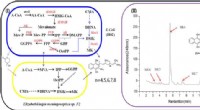
3. Glycolysis and Glucose Metabolism: During glycolysis, the initial steps of glucose metabolism, ATP is utilized as a primer to initiate the reactions. It helps in the conversion of glucose into glucose-6-phosphate and subsequent intermediates of glycolysis, generating ATP and other high-energy intermediates in the process.
4. Fermentation and Ethanol Production: In anaerobic conditions, such as when oxygen is scarce, yeast cells rely on fermentation to generate ATP and convert glucose into ethanol. ATP is used in the phosphorylation of glucose, a crucial step in the initiation of fermentation. The generated ATP is invested to maintain the cellular energy charge, enabling the production of ethanol.
5. Gluconeogenesis and Energy Reserves: Yeast cells have the ability to store glucose in the form of glycogen. When glucose levels are low, yeast cells utilize ATP to convert non-carbohydrate precursors into glucose-6-phosphate through the process of gluconeogenesis. This allows them to maintain energy homeostasis and replenish their energy reserves.
6. Protein Synthesis: ATP is also involved in essential processes like protein synthesis and protein folding. It provides energy for ribosome assembly, amino acid activation, and the translocation of growing polypeptide chains during translation.
Overall, ATP acts as the fundamental energy molecule that powers various cellular functions in yeast cells, driving metabolic processes, membrane transport, growth, and reproduction. Without a steady supply of ATP, yeast cells would be unable to carry out these vital activities and sustain cellular life.