In general, larger flowers tend to produce more pollen grains than smaller flowers. This is because larger flowers have more space for pollen-producing structures, such as anthers. The number of anthers in a flower can also affect the number of pollen grains produced. Flowers with multiple anthers, such as daisies, tend to produce more pollen than flowers with a single anther, such as lilies.
The availability of resources, such as water and nutrients, can also influence the number of pollen grains produced by a flower. Plants that are stressed due to lack of resources may produce fewer pollen grains than plants that are well-nourished.
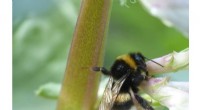
Finally, a plant's reproductive strategy can also affect the number of pollen grains produced. Plants that rely on wind or insects for pollination tend to produce more pollen than plants that self-pollinate. This is because wind and insect-pollinated plants need to produce enough pollen to ensure that some of it reaches a compatible stigma. Self-pollinated plants, on the other hand, do not need to produce as much pollen because the pollen is transferred directly from the anthers to the stigma of the same flower.
In summary, the number of pollen grains produced by a flower can vary greatly depending on the species of plant, the size and structure of the flower, the availability of resources, and the plant's reproductive strategy.