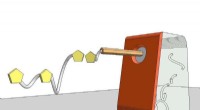
In science, filtration is a fundamental laboratory technique used to separate solid particles from a liquid or gas mixture. The filter acts as a barrier, allowing smaller molecules and liquids to pass through while capturing larger particles on its surface. The resulting filtrate is a clear liquid free from solid impurities.
Filtration is widely employed in various scientific disciplines and practical applications, such as:
Biology and Microbiology: Filtration is used to sterilize solutions by removing bacteria and other microorganisms. It's commonly used in microbiology to separate microbial cultures or isolate specific microorganisms for study.
Chemistry: In chemical analysis, filtration is used to separate precipitates from a reaction mixture. It helps purify synthesized compounds and remove impurities.
Environmental Science: Filtration is essential in water treatment plants to remove sediments, suspended solids, and other contaminants from water, making it safe for consumption.
Food and Beverage Industry: Filtration is used to clarify liquids, remove unwanted particles, and enhance the quality and appearance of food and beverages.
Pharmacology: Filtration is employed to purify pharmaceutical solutions, remove particulate matter, and ensure drug safety and efficacy.
Clinical Diagnostics: Blood and urine samples undergo filtration to remove cells and debris, providing clearer samples for analysis in clinical laboratories.
Geology: Filtration techniques are used to separate minerals and analyze soil samples for geological studies.
Chromatography: In analytical chemistry, filtration is a crucial step in preparing samples for chromatography techniques, where the separation of components is based on their interactions with a stationary phase.
The efficiency of filtration depends on the pore size of the filter material, which determines the size range of particles that can pass through. Filter paper, glass fiber filters, membrane filters, and specialized filter cartridges are commonly used, each with specific properties and applications.
Filtration is generally a simple and cost-effective technique, making it widely applicable across scientific fields and industries. It contributes to obtaining pure, clarified liquids or gases for further analysis, purification, or practical applications.