Budding:
Budding is an asexual reproduction method observed in some simple organisms like yeast, hydra, and some plants.
During budding, a small outgrowth or protuberance called a bud develops on the parent organism.
The bud consists of the same genetic material as the parent and gradually grows and develops into a new individual.
When the bud is fully grown, it detaches from the parent organism and becomes an independent organism.
Cloning:
Cloning, on the other hand, is a broader term that refers to the creation of genetically identical copies of an organism. It can be applied to both plants and animals.
Cloning involves creating a genetically identical copy of a specific organism using various techniques:
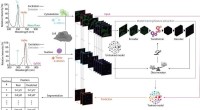
Somatic Cell Nuclear Transfer (SCNT): In SCNT, the nucleus of a somatic cell (non-reproductive cell) from the donor organism is transferred into an enucleated egg (an egg without a nucleus). The egg is then fertilized, and the resulting embryo is implanted into a surrogate mother. The surrogate mother gives birth to a genetically identical copy of the donor organism.
Stem Cell Cloning: Stem cells are unspecialized cells capable of developing into various types of cells. In stem cell cloning, a single stem cell is isolated and cultured, and then induced to differentiate and develop into a specific type of tissue or organ. This method can create genetically identical copies of tissues or organs for transplantation or research.
Embryo Splitting: Embryo splitting is a cloning technique where an early-stage embryo is separated into two or more embryos. Each embryo can then be implanted into a surrogate mother, resulting in the development of genetically identical individuals.
While both budding and cloning result in offspring that are genetically identical to the parent organism, they differ in the organisms they apply to and the specific methods used to create the offspring. Budding is a natural asexual reproduction process observed in certain organisms, while cloning is a more deliberate and controlled method of producing genetically identical copies using biotechnology.