* They are enclosed by a lipid bilayer membrane that separates them from the rest of the cell.
* They contain various enzymes and other molecules necessary for their specific functions.
* They are dynamic structures that can change shape and size as needed.
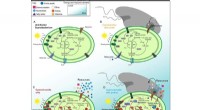
Lysosomes differ from vacuoles in their function. Lysosomes are responsible for digesting and recycling cellular waste and debris, while vacuoles are involved in various cellular processes, including storage, transport, and waste disposal. On the other hand, plastids are specialized organelles found in plant cells responsible for carrying out photosynthesis and other metabolic functions related to plant growth and development.