1. Common Descent and Universal Genetic Code:
- Genetic studies reveal that all organisms share a common genetic code.
- Similar genetic sequences and structures across different species suggest that they have descended from a common ancestor through evolutionary processes.
2. Comparative Anatomy and Homologous Structures:
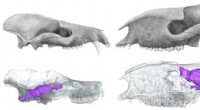
- Comparison of anatomical structures in different species reveals homologous structures—features with similar structures but different functions.
- For example, the forelimbs of humans, bats, and whales may differ in function, but their underlying skeletal structures share a common evolutionary origin. Genetics can explain these shared structural patterns due to common ancestry.
3. Molecular Clock and Genetic Divergence:
- The rate of genetic mutations can serve as a molecular clock to estimate evolutionary divergence times.
- Closely related species tend to have fewer genetic differences compared to distantly related species, providing insights into the branching patterns of the evolutionary tree.
4. Natural Selection and Adaptation:
- Genetics helps explain how natural selection acts on genetic variations within a population.
- Beneficial genetic traits that enhance an organism's survival, reproduction, and adaptation to its environment are more likely to be passed on to future generations, leading to evolutionary change over time.
5. Genetic Drift and Founder Effects:
- Genetic drift—the random fluctuation of gene frequencies—and founder effects can influence the genetic makeup of small populations, leading to evolutionary divergence and the formation of new species.
6. Evidence from Fossils and DNA:
- Fossil records provide direct evidence of past organisms, while ancient DNA extracted from fossils can offer genetic information.
- Comparing genetic sequences from modern organisms with ancient DNA allows researchers to trace evolutionary lineages.
7. Developmental Genetics (Evo-Devo):
- Developmental genetics explores the genetic regulation of embryonic development.
- Similarities in developmental processes and the presence of vestigial structures in different species suggest shared ancestry and evolutionary relationships.
8. Genome Duplication and Evolutionary Innovations:
- Genetic evidence shows that whole-genome duplications and gene duplications have played a significant role in evolution, creating genetic redundancy that allows for the emergence of novel adaptations and new species.
9. Phylogenetic Analysis and Tree of Life:
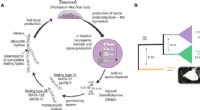
- Genetic data, such as DNA sequences, can be used to construct phylogenetic trees, depicting the evolutionary relationships and branching patterns among different species—a visual representation of the tree of life.
10. Genetic Evidence from Transposable Elements:
- Transposable elements (e.g., retrotransposons) are mobile DNA sequences that can accumulate over time.
- The presence and patterns of transposable elements in different species provide valuable information for inferring evolutionary histories.
In summary, genetics encompasses various fields of study that provide strong evidence for evolutionary processes. By analyzing genetic sequences, comparing genetic structures, and understanding the mechanisms of inheritance and variation, we can unravel the evolutionary history of life on Earth and gain valuable insights into the relationships among different organisms.