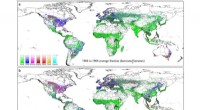
The primary goal of plant classification is to develop a systematic and hierarchical system that reflects the evolutionary history and relationships among different plant groups. This classification system provides a framework for organizing and understanding the vast array of plant species on the planet.
The process of classifying plants includes examining their physical and genetic characteristics, such as their morphology, anatomy, reproductive structures, chemical compositions, and DNA sequences. Scientists use these characteristics to identify similarities and differences among plant species and assign them to appropriate taxonomic groups.
The main ranks or categories used in plant classification are:
1. Kingdom: All plants belong to the kingdom Plantae.
2. Division or Phylum: Plants are classified into divisions or phyla, such as Anthophyta (flowering plants) and Pterophyta (ferns).
3. Class: Within a division, plants are further divided into classes based on shared characteristics. For example, flowering plants (Anthophyta) are divided into classes such as Magnoliopsida (dicots) and Liliopsida (monocots).
4. Order: Orders are defined based on specific characters and further divide classes into smaller, more closely related groups.
5. Family: Families contain closely related genera that share similar traits.
6. Genus: A genus is a group of species sharing common characteristics and is distinguished from other groups based on specific criteria.
7. Species: A species is the fundamental unit of classification and represents a distinct group of individuals with the same fundamental characteristics, capable of interbreeding and producing fertile offspring.
By classifying plants, scientists can assign scientific names to species and place them in their appropriate taxonomic groups. These scientific names follow the principles of binomial nomenclature, where each species has a unique two-part name consisting of the genus name and species epithet. This standardized system allows for clear and precise identification and communication among researchers, biologists, and horticulturists worldwide.
Plant classification is an essential tool in studying plant biology, ecology, conservation, and agriculture. It provides a structured approach to understanding the diversity and relationships within the plant kingdom, facilitating research, communication, and the management of plant resources for the benefit of science and society.