1. Acclimatization: This refers to the short-term physiological or behavioral adjustments an organism makes in response to changes in its immediate environment. For example, sweating or shivering to maintain body temperature in response to temperature fluctuations.
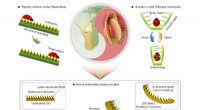
2. Adaptation: Adaptations are heritable traits that result from natural selection, allowing organisms to become better suited to their environment over generations. These traits confer advantages for survival and reproduction in specific habitats. For instance, desert plants have adaptations like thick cuticles and reduced leaf surfaces to minimize water loss.
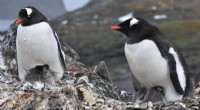
3. Behavioral Responses: Organisms can modify their behavior in response to environmental changes. For example, some animals migrate to warmer climates during winter, while others enter dormancy or hibernation to conserve energy during harsh conditions.
4. Morphological Changes: Over extended periods, organisms may undergo physical or structural changes in response to environmental factors. These changes can become genetically fixed and passed on to offspring. For example, some insects develop longer wings or modified body parts to better exploit their environments.
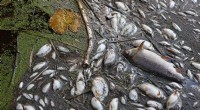
5. Population Dynamics: Environmental factors can influence population dynamics, such as birth rates, mortality rates, and population size. Changes in resource availability, predation pressure, or disease prevalence can affect population growth or decline.
6. Phenotypic Plasticity: Some organisms exhibit phenotypic plasticity, allowing them to alter their physical characteristics or behavior in response to environmental cues. For example, plants may allocate more resources to root growth in response to drought conditions.
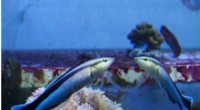
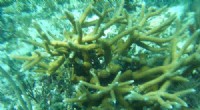
7. Symbiotic Relationships: Organisms can form symbiotic associations with other organisms to gain benefits, such as nutrient acquisition, defense against predators, or habitat provision. For instance, certain plants rely on mycorrhizal fungi for nutrient uptake, while corals live in mutualistic partnerships with photosynthetic algae.
8. Evolutionary Responses: Over time, populations can undergo evolutionary changes in response to consistent environmental pressures. These evolutionary processes, such as natural selection, can lead to the emergence of new species or adaptations that better suit the prevailing environmental conditions.
These responses to the environment enable organisms to survive, reproduce, and thrive in diverse and changing habitats.