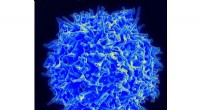
All living things are composed of cells. Cells are the basic unit of life and are responsible for all of the functions necessary for life, such as metabolism, growth, reproduction, and response to stimuli. There are many different types of cells, each with its own specialized function. Some cells, such as red blood cells, are very simple and have only a few functions, while others, such as brain cells, are very complex and can perform a wide variety of tasks.
All living things, from the smallest bacteria to the largest blue whale, are made up of cells. Some organisms, such as bacteria, are single-celled, meaning that they are made up of only one cell. Other organisms, such as plants and animals, are multicellular, meaning that they are made up of many cells.
Cells are essential for life, and all living things have them. Without cells, there would be no life.