1. Enzymes: Enzymes act as catalysts that accelerate the rate of specific biochemical reactions within cells. Enzymes can regulate pathway flux by controlling the rate at which substrates are converted into products. The activity of enzymes can be regulated by various factors, such as substrate concentration, temperature, pH, and the presence of inhibitors or activators.
2. Hormones: Hormones are chemical messengers that are secreted by endocrine glands and travel through the bloodstream to target cells. Hormones can control cellular biochemical pathways by binding to specific receptors on the cell surface or within the cell, triggering a cascade of intracellular signals that ultimately lead to changes in enzyme activity and pathway flux.
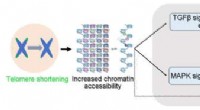
3. Cellular Signalling Pathways: Cells communicate with each other and respond to extracellular stimuli through various signalling pathways. These pathways, such as the mitogen-activated protein kinase (MAPK) pathway and the phosphatidylinositol 3-kinase (PI3K) pathway, transmit signals from the cell surface to the nucleus, leading to changes in gene expression and the activation or inhibition of specific biochemical pathways.
4. Feedback Mechanisms: Many biochemical pathways exhibit feedback mechanisms that help maintain homeostasis within the cell. Feedback mechanisms can be either positive or negative. Positive feedback loops amplify the response to a signal, while negative feedback loops dampen the response. For example, negative feedback mechanisms often involve the end product of a pathway inhibiting an earlier step in the pathway, preventing overproduction of the end product.
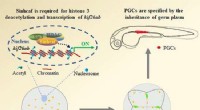
5. Genetic Regulation: The expression of genes encoding enzymes and other proteins involved in biochemical pathways is tightly regulated. Transcription factors, regulatory proteins that bind to specific DNA sequences, control the transcription of genes involved in specific pathways. The activity of transcription factors can be influenced by various signals, including environmental cues, cellular signalling pathways, and the availability of substrates or cofactors.
By integrating these control mechanisms, cells can precisely regulate their biochemical pathways in response to changing conditions, ensuring efficient utilisation of resources and maintaining cellular homeostasis.