2. Embryology: Studying the embryonic development of different organisms can provide insights into their evolutionary relationships. Embryos of different species often go through similar stages of development, suggesting a shared ancestry.
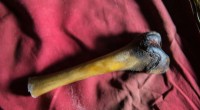
3. Paleontology: The study of fossils provides direct evidence for the existence of past organisms and can help document evolutionary changes over time. The fossil record can show the progression of species over time and the emergence of new species.
4. Genetics: Comparing the genetic sequences of different organisms can provide evidence for common ancestry and evolutionary relationships. Similarities in DNA sequences suggest a closer evolutionary relationship, while differences can indicate divergence over time.
5. Molecular biology: Studying proteins and other molecules involved in cellular processes can provide evidence for evolution. Similarities in protein sequences, for example, can suggest shared ancestry.
6. Biogeography: The distribution of species across the globe can provide clues about their evolutionary history. For example, the presence of closely related species in different geographic regions may indicate a common ancestor that dispersed to those areas.