All organisms that carry out aerobic respiration as part of their metabolism, including:
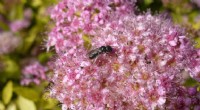
- Animals: All animals, from tiny insects to large mammals, undergo cellular respiration to generate energy for their survival.
- Plants: Although plants primarily rely on photosynthesis to produce energy, they also use cellular respiration for processes such as seed germination and growth during the night or in the absence of sunlight.
- Fungi: Fungi, such as mushrooms and yeasts, obtain energy through cellular respiration.
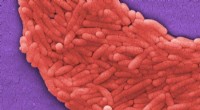
- Most Bacteria: The majority of bacteria use cellular respiration to convert organic compounds into energy. However, some bacteria, such as those involved in anaerobic digestion, can perform fermentation in the absence of oxygen.
- Protists: Protists, a diverse group that includes organisms like amoebas, paramecia, and algae, employ cellular respiration for energy production.
It's essential to note that not all organisms utilize cellular respiration as their primary energy source. Organisms that lack mitochondria, such as some anaerobic bacteria and parasitic organisms, may use alternative pathways like fermentation or anaerobic respiration to extract energy from organic compounds.