Tropical Rainforest:
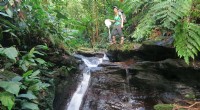
1. High Rainfall Adaptation: Many organisms have large leaves to maximize water absorption during heavy rainfall.
2. Drip Tips: Some plants have pointed leaf tips that allow rainwater to drip off, preventing fungal growth.
3. Epiphytes: Plants that grow on the branches of trees to reach sunlight without competing for nutrients in the soil.
4. Camouflage: Colorful and patterned insects and animals blend in with their surroundings to avoid predators.
5. Symbiosis: Lichens, a combination of algae and fungi, form symbiotic relationships to survive in harsh conditions.
Temperate Forest:
1. Deep Roots: Trees and plants have deep roots that help absorb moisture from the soil during dry periods.
2. Cold Adaptation: Some animals hibernate during winter to conserve energy when food resources are scarce.
3. Migration: Birds migrate to warmer regions to escape extreme cold and search for food during winter.
4. Thick Fur: Mammals have thick fur to provide insulation against cold temperatures.
5. Caching: Squirrels and other animals gather and store food during summer and autumn for consumption during the winter when food is limited.
Grassland:
1. Wind Resistance: Grasses have flexible stems and roots to withstand strong winds.
2. Efficient Water Usage: Plants have deep roots to access underground water sources and waxy leaves to prevent water loss.
3. Grazing Adaptations: Herbivores, such as bison, have broad, flat teeth to graze on grasses efficiently.
4. Burrowing: Some animals, like prairie dogs, create underground burrows for protection from predators and extreme weather conditions.
5. Fire Tolerance: Certain plants have developed the ability to withstand or even thrive after wildfires.
Desert:
1. Water Conservation: Plants have mechanisms like thick cuticles, small leaves, and reduced stomata to minimize water loss.
2. Reflective Surfaces: Many animals have pale coloration to reflect sunlight and stay cool in hot environments.
3. Nocturnal Behavior: Several animals are active at night to avoid scorching daytime temperatures.
4. Burrowing: Reptiles, burrowing mammals, and insects seek refuge underground to escape extreme heat and find moisture.
5. Reduced Water Intake: Some desert animals, like kangaroo rats, rarely drink water and obtain moisture from their diet.
Tundra:
1. Cold Tolerance: Animals have thick layers of fur and body fat to insulate against freezing temperatures.
2. Short Growing Season: Plants like mosses and lichens grow rapidly during the brief summer to complete their life cycles.
3. Migration: Caribou and other migratory species move south during winter to find milder conditions.
4. Storing Energy: Some animals accumulate fat reserves before the onset of winter to sustain themselves through scarce food periods.
5. Adaptations to Snow: Snowshoe hares have large feet and thick fur on their soles, allowing them to walk on snow without sinking.
Organisms' survival in different biomes is a testament to the incredible diversity of life and the remarkable ways in which species adapt to their environments to thrive and persist over time.