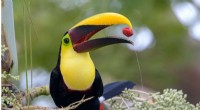
1. Morphology: This refers to the physical characteristics of an organism, such as its size, shape, color, and structure. Morphological characteristics can be used to identify and distinguish different species.
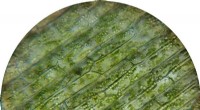
2. Anatomy: This refers to the internal structure of an organism, including its organs and tissues. Anatomical characteristics can also be used to identify and distinguish different species.
3. Physiology: This refers to the functioning of an organism, including its metabolism, reproduction, and behavior. Physiological characteristics can be used to understand the relationships between different species.
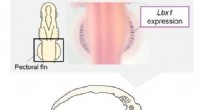
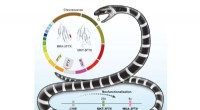
4. Genetics: This refers to the genetic material of an organism, including its DNA and RNA. Genetic characteristics can be used to identify and distinguish different species, and to understand their evolutionary relationships.
5. Ecology: This refers to the interactions between an organism and its environment, including its habitat, food sources, and predators. Ecological characteristics can be used to understand the distribution and abundance of different species, and their roles in ecosystems.
6. Behavior: This refers to the way an organism acts and interacts with its environment. Behavioral characteristics can be used to identify and distinguish different species, and to understand their social interactions.
In addition to these main sources of information, scientists may also use other data, such as fossil records, molecular biology, and biogeography, to help them classify organisms. By combining information from multiple sources, scientists can build a more complete picture of the relationships between different species and understand their evolutionary history.