1. Cell Membrane: The cell membrane is the outermost layer of the cell and controls what enters and leaves the cell. It can be compared to the security or reception department of a factory that regulates the flow of materials and people.
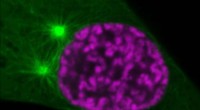
2. Nucleus: The nucleus is the control center of the cell, containing the cell's DNA and directing cellular activities. It is like the management office or headquarters of a factory, where important decisions are made.
3. Cytoplasm: The cytoplasm is the jelly-like substance that fills the cell and contains various organelles. It can be compared to the production floor or assembly line of a factory, where different processes take place.
4. Mitochondria: Mitochondria are the energy centers of the cell, producing ATP (cellular energy currency). They are analogous to the power plant or generator of a factory, providing the necessary energy for cellular processes.
5. Ribosomes: Ribosomes are responsible for protein synthesis, assembling amino acids into proteins based on instructions from DNA. They are similar to the assembly line workers or machinery in a factory that produce products.
6. Endoplasmic Reticulum (ER): The ER is involved in protein folding, modification, and transport. It can be compared to the quality control department or packaging section of a factory, where products are checked and packaged before being sent out.
7. Golgi Apparatus: The Golgi apparatus modifies and packages proteins and lipids for transport within the cell or secretion outside the cell. It is analogous to the shipping department of a factory that prepares products for distribution.
8. Lysosomes: Lysosomes contain digestive enzymes that break down waste materials, damaged organelles, and foreign substances. They are similar to the waste management or recycling department of a factory.
9. Vacuoles: Vacuoles store various substances, such as water, salts, proteins, and waste products. They can be compared to the storage rooms or warehouses of a factory.
10. Cell Wall (in plant cells): The cell wall is a rigid structure surrounding plant cells, providing support and protection. It is analogous to the outer walls or framework of a factory building.
Remember, this analogy provides a simplified understanding of cell structure and function. Cells are incredibly complex systems with many more components and processes, but the analogy helps to illustrate the basic organization and functions of different cell parts.