1. mRNA (Messenger RNA):
- Carries the genetic information from DNA to the ribosome.
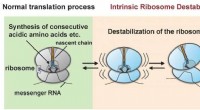
- Serves as a template for protein synthesis.
2. ribosome:
- A complex molecular machine composed of RNA and proteins.
- Site where mRNA is decoded and proteins are assembled.
3. tRNA (Transfer RNA):
- Small RNA molecules that bring amino acids to the ribosome.
- Each tRNA has an anticodon that recognizes a specific codon in the mRNA.
4. amino acid:
- Building blocks of proteins.
- Each amino acid has a specific side chain that determines its properties.
5. codon:
- A sequence of three nucleotides in mRNA that corresponds to a specific amino acid.
- There are 64 possible codons, 61 of which code for amino acids, and 3 are stop codons.
6. anticodon:
- A sequence of three nucleotides in tRNA that is complementary to a codon in mRNA.
7. peptide bond:
- A chemical bond that links two amino acids during protein synthesis.
- Forms between an amino group of one amino acid and a carboxyl group of another amino acid.
8. protein:
- A macromolecule consisting of a chain of amino acids.
- Performs various functions in the cell, including catalysis, transport, and signaling.