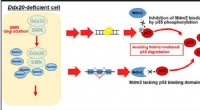
Mutations in genes that encode cell cycle regulators can disrupt the normal progression of the cell cycle. For example, mutations in the gene that encodes the protein p53 can lead to the loss of cell cycle checkpoints, which allows cells to progress through the cell cycle even when there is DNA damage. This can lead to the accumulation of mutations in cells and eventually to cancer.
Overexpression of oncogenes can also lead to dysregulation of the cell cycle. Oncogenes are genes that promote cell growth and division. When oncogenes are overexpressed, they can drive cells to divide uncontrollably and form tumors. For example, the overexpression of the oncogene MYC can lead to the development of a variety of cancers, including Burkitt lymphoma and lung cancer.
Loss of tumor suppressor genes can also lead to dysregulation of the cell cycle. Tumor suppressor genes are genes that inhibit cell growth and division. When tumor suppressor genes are lost or mutated, cells can lose the ability to control their growth and division and can eventually form tumors. For example, the loss of the tumor suppressor gene RB1 can lead to the development of retinoblastoma, a rare eye cancer.
Dysregulation of the cell cycle is a critical step in the development of cancer. By understanding the mechanisms by which the cell cycle can be dysregulated, scientists can develop new therapies to target cancer cells and prevent the growth and spread of tumors.