Spermatophytes are the dominant group of plants on land today. This group of plants includes Gymnosperms and Angiosperms.
Gymnosperms
- Non-flowering plants
- Naked Seeds
- Ovules are not enclosed in ovary
- Examples are, Cycas, Pinus (Pine), Ginkgo, etc.
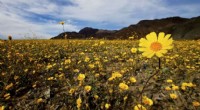
Angiosperms
- Flowering plants
- Seeds enclosed in a fruit
- Pollen produced by flowers
- Examples: Mango, Apple, Rose, Wheat, etc.
Spermatophytes are essential for life on Earth. They provide food, shelter, and other resources for animals, including humans. They also play a vital role in the cycling of nutrients and the regulation of the Earth's atmosphere.