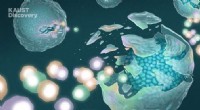
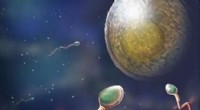
In asexual reproduction, a new organism is produced from a single parent. This is in contrast to sexual reproduction, which requires two parents, one male and one female. There are many different types of asexual reproduction, but some of the most common include:
* Budding: A new organism grows out of the body of the parent organism.
* Fragmentation: The parent organism breaks into two or more pieces, each of which can grow into a new organism.
* Parthenogenesis: A new organism is produced from an unfertilized egg.
Asexual reproduction is commonly found in plants, animals, and fungi. Some organisms, such as aphids and water fleas, can reproduce both asexually and sexually.