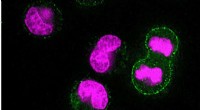
1. Protein Denaturation: Heat can cause proteins to denature or lose their normal structure. This can disrupt enzyme activity, impair cell metabolism, and lead to cell death.
2. Membrane Damage: Heat can damage the cell membrane, causing leakage of cell contents and disrupting cellular functions.
3. DNA Damage: Prolonged exposure to high heat can cause damage to DNA, leading to mutations and potential genetic disorders.
4. Enzyme Inhibition: Heat can inhibit the activity of enzymes involved in various cellular processes, such as DNA repair, protein synthesis, and energy production.
5. Organismal Stress Response: In higher organisms, heat exposure can trigger various stress responses, including the activation of heat shock proteins (HSPs) that help protect cells from heat damage.
6. Homeostasis Disruption: Heat stress can disrupt the body's ability to maintain internal balance (homeostasis), affecting processes like body temperature regulation and fluid balance.
7. Cardiovascular Effects: Heat exposure can increase heart rate and blood pressure, putting strain on the cardiovascular system.
8. Neurological Effects: Heat-related illnesses, such as heat stroke, can affect the brain, causing symptoms such as confusion, dizziness, and even seizures.
9. Immune Function: Heat can temporarily impair the immune system's ability to fight off infections.
10. Reproductive Effects: In extreme cases, heat stress can disrupt reproductive processes in both males and females.
11. Cellular Adaptation: In some cases, cells may adapt to mild heat stress by increasing the expression of heat shock proteins and other protective mechanisms.
Overall, heat can have both acute (immediate) and long-term effects on cells and organisms. The consequences depend on a variety of factors, including the temperature, duration of exposure, the specific cellular or organismal systems involved, and the ability of the organism to cope with heat stress.