Tropic hormones:
1. Target Specific: They act on specific target glands or tissues called "target organs." Each tropic hormone is designed to influence a particular organ or tissue.
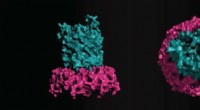
2. Activation of G-Protein Coupled Receptors (GPCRs): Tropic hormones bind to specific receptors on the plasma membrane of target cells. These receptors are often G-protein coupled receptors (GPCRs).
3. Signal Transduction: Upon hormone binding, GPCRs undergo conformational changes that activate G proteins. G proteins then transduce the signal inside the cell, triggering a cascade of intracellular events.
4. Stimulation of Target Organ: The activated G protein pathway leads to the production of molecules such as cyclic adenosine monophosphate (cAMP) and other second messengers. These messengers stimulate the synthesis and secretion of specific hormones, enzymes, or other proteins within the target organ.
5. Regulation of Target Organ Function: The released hormones or proteins from the target organ exert their effects on specific tissues or processes, ultimately regulating the function of the target organ.
Nontropic hormones:
1. Direct Target Effects: Nontropic hormones do not stimulate the release of other hormones but rather exert direct effects on target cells or tissues.
2. Binding to Cell Surface Receptors: Nontropic hormones can bind to various receptors, including GPCRs, tyrosine kinase receptors, or intracellular receptors.
3. Signal Transduction: Similar to tropic hormones, the binding of nontropic hormones to their receptors triggers signal transduction pathways. These pathways often involve second messengers and the activation of specific protein kinases.
4. Cellular Responses: The activated signaling pathways lead to diverse cellular responses, such as changes in gene expression, enzyme activity, metabolic pathways, transport processes, or contraction/relaxation of muscles.
5. Regulation of Cellular Processes: The effects of nontropic hormones directly modulate the function of target cells, regulating various physiological processes, including metabolism, growth, reproduction, and homeostasis.
In summary, tropic hormones work through target glands to influence other endocrine glands, while nontropic hormones directly interact with target cells to exert their effects. Both types of hormones use signal transduction pathways to elicit specific cellular responses and regulate physiological processes.