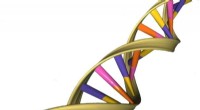
Binary fission is the process by which a prokaryotic cell divides into two identical daughter cells. It is a form of asexual reproduction, meaning that only one parent cell is involved. Binary fission occurs when the DNA of the parent cell is replicated and then the cell splits into two equal halves, each with its own copy of the DNA.
Conjugation is the process by which two prokaryotic cells exchange genetic material. It is a form of sexual reproduction, meaning that two parent cells are involved. Conjugation occurs when two cells come into contact with each other and form a conjugation bridge. Through this bridge, the cells exchange plasmids, which are small circular pieces of DNA that contain genes. Conjugation allows for the transfer of genes between different strains of bacteria, which can help to promote genetic diversity and the spread of antibiotic resistance.
Here is a table summarizing the key differences between binary fission and conjugation:
| Feature | Binary fission | Conjugation |
|---|---|---|
| Number of parent cells | 1 | 2 |
| Type of reproduction | Asexual | Sexual |
| Exchange of genetic material | No | Yes |
| Purpose | To produce two identical daughter cells | To exchange genetic material between different strains of bacteria |
Overall, binary fission and conjugation are two important processes that play different roles in the reproduction and survival of prokaryotes.