- Anaerobic bacteria: These bacteria can survive in the absence of oxygen. They use alternative metabolic pathways, such as fermentation or anaerobic respiration, to generate energy. Some examples of anaerobic bacteria include:
- Clostridium botulinum: This bacterium produces the botulinum toxin, which causes botulism, a potentially fatal foodborne illness.
- Clostridium perfringens: This bacterium can cause gas gangrene, a serious infection that can destroy muscle tissue.
- Bacteroides fragilis: This bacterium is a common inhabitant of the human gut and can cause infections of the abdomen and pelvis.
- Microaerophilic bacteria: These bacteria require a low level of oxygen to grow. They can tolerate higher levels of oxygen than anaerobic bacteria but cannot grow in the presence of atmospheric oxygen. Some examples of microaerophilic bacteria include:
- Campylobacter jejuni: This bacterium can cause campylobacteriosis, a foodborne illness that can cause diarrhea, abdominal pain, and fever.
- Helicobacter pylori: This bacterium is a common inhabitant of the human stomach and can cause gastritis, peptic ulcers, and stomach cancer.
- Bordetella pertussis: This bacterium causes whooping cough, a highly contagious respiratory infection.
- Facultative anaerobes: These bacteria can grow in both aerobic and anaerobic conditions. They use aerobic respiration when oxygen is available but can switch to anaerobic respiration or fermentation when oxygen is depleted. Some examples of facultative anaerobes include:
- Escherichia coli: This bacterium is commonly found in the gut of humans and other animals. It is also a versatile laboratory organism used in various biological research.
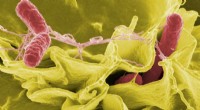
- Salmonella enterica: This bacterium can cause salmonellosis, a foodborne illness that can cause diarrhea, abdominal pain, and fever.
- Staphylococcus aureus: This bacterium is a common inhabitant of the human skin and respiratory tract. It can also cause various infections, including skin infections, pneumonia, and toxic shock syndrome.