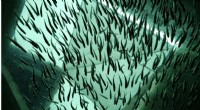
As organisms consume other organisms, these substances are passed along and become magnified in the tissues of predators and top consumers. For example, small fish that feed on algae or other small organisms may accumulate trace amounts of pollutants in their bodies. When larger fish eat the smaller fish, the pollutants are further concentrated. If a human then consumes the larger fish, a significant amount of the pollutant can accumulate in the human's body. This process is known as biomagnification.
Biomagnification can pose significant health risks to both wildlife and humans at the top of the food chain. High concentrations of pollutants can disrupt essential biological functions, leading to reduced reproductive success, developmental disorders, and increased vulnerability to diseases. Understanding and managing biomagnification is, therefore, crucial for maintaining the health of ecosystems and safeguarding human populations from the adverse effects of environmental contamination.