Fluorescence microscopy: This technique uses fluorescent dyes to label specific molecules or structures within a cell, allowing them to be visualized under a microscope.
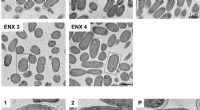
Electron microscopy: This technique uses a beam of electrons to create high-resolution images of cells and their components.
Confocal microscopy: This technique uses a focused laser beam to create 3D images of cells.
Atomic force microscopy: This technique uses a sharp probe to create 3D images of cells and their surfaces.
Fluorescence in situ hybridization (FISH): This technique uses fluorescent probes to label specific DNA sequences within a cell, allowing researchers to visualize the location and organization of genes.
Flow cytometry: This technique allows researchers to sort and analyze cells based on their size, shape, and other physical characteristics.
DNA sequencing: This technique allows researchers to determine the order of nucleotides in a DNA molecule, providing information about the genes and regulatory elements present in a cell.
Genomics: This field involves the study of the entire genome of an organism, including the identification and characterization of genes, their regulatory sequences, and their variations.
Proteomics: This field involves the study of the proteins expressed by a cell, including their structure, function, and interactions with other molecules.
Cell culture: This technique allows researchers to grow cells outside of the body in a controlled environment, enabling detailed studies of cell behavior and responses to different conditions.
Live cell imaging: This technique allows researchers to visualize and record cellular processes in real-time, providing insights into dynamic cellular events.
These technological advancements have made it possible for scientists to study cells in unprecedented detail, leading to a deeper understanding of cell biology and the development of new treatments for diseases such as cancer, Alzheimer's, and Parkinson's.