Depending on the plant species and the environment in which they grow, pollination can occur through various mechanisms, including:
1. Wind Pollination: In wind-pollinated plants, the male gametes are lightweight, produced in large quantities, and dispersed by the wind over long distances. When the pollen grains are carried by the wind, they may come into contact with the stigmas of compatible flowers, leading to pollination.
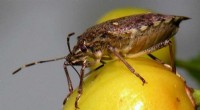
2. Insect Pollination: Many plants rely on insects for pollination. Insects are attracted to colorful flowers, seeking nectar, pollen, or other rewards offered by the plant. As insects move from one flower to another while collecting these resources, the pollen grains that are present on their bodies may transfer to the stigmas of the female flowers, resulting in pollination.
3. Bird Pollination: Some plants are pollinated by birds, especially hummingbirds. These birds are attracted to the nectar of flowers and, in the process, may transfer pollen between flowers of the same species.
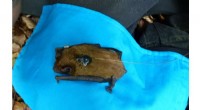
4. Bat Pollination: Certain plants in tropical regions are pollinated by bats. Bats are attracted to the sweet nectar and pollen produced by specific flowers. While feeding, they may inadvertently transfer pollen between flowers, facilitating pollination.
5. Water Pollination: In aquatic plants, pollination may occur through water as the medium. Pollen grains are released into the water and are carried by water currents to the receptive stigmas of nearby female flowers.
6. Self-Pollination: Some plant species have self-pollinating mechanisms, where the transfer of pollen occurs between male and female flower parts within the same plant. This type of pollination does not require external agents like wind or pollinators.
After successful pollination, the pollen grains that land on the stigma start to germinate, forming a pollen tube that grows through the style of the flower, eventually reaching the ovary. Inside the ovary, the pollen tube releases sperm cells, completing the process of delivering the male gametes to the female ovule for fertilization to take place.